15 Interesting Facts About Jagannath Temple That Will Surprise You
Every year, millions of devotees and travellers make their way to Puri, drawn by the spiritual aura of the Jagannath Temple. Discover fifteen fascinating facts that make this sacred shrine unlike any other.
Every year, millions of devotees and travellers make their way to Puri, drawn by the spiritual aura of the Jagannath Temple. Some come to seek blessings, some arrive to witness the grandeur of Rath Yatra, while others simply want to experience one of India's most revered pilgrimage sites.
Yet, the temple offers far more than religious significance. It is a place where history, architecture, rituals, and centuries-old traditions come together in remarkable ways. If you have ever wondered why is Jagannath Temple so famous, or wanted to know about some interesting facts about Jagannath Temple, you are in the right place. Here are fifteen fascinating facts that make this sacred shrine unlike any other.
01The Temple is One of India's Four Char Dham Pilgrimage Sites
For Hindus, the Jagannath Temple is one of the sacred Char Dham pilgrimage destinations, alongside Badrinath, Dwarka, and Rameswaram. Completing this spiritual circuit is believed to be one of life's most sacred journeys. This alone makes Puri one of the country's most visited pilgrimage destinations throughout the year.
02Lord Jagannath's Idol Looks Unlike Any Other Deity
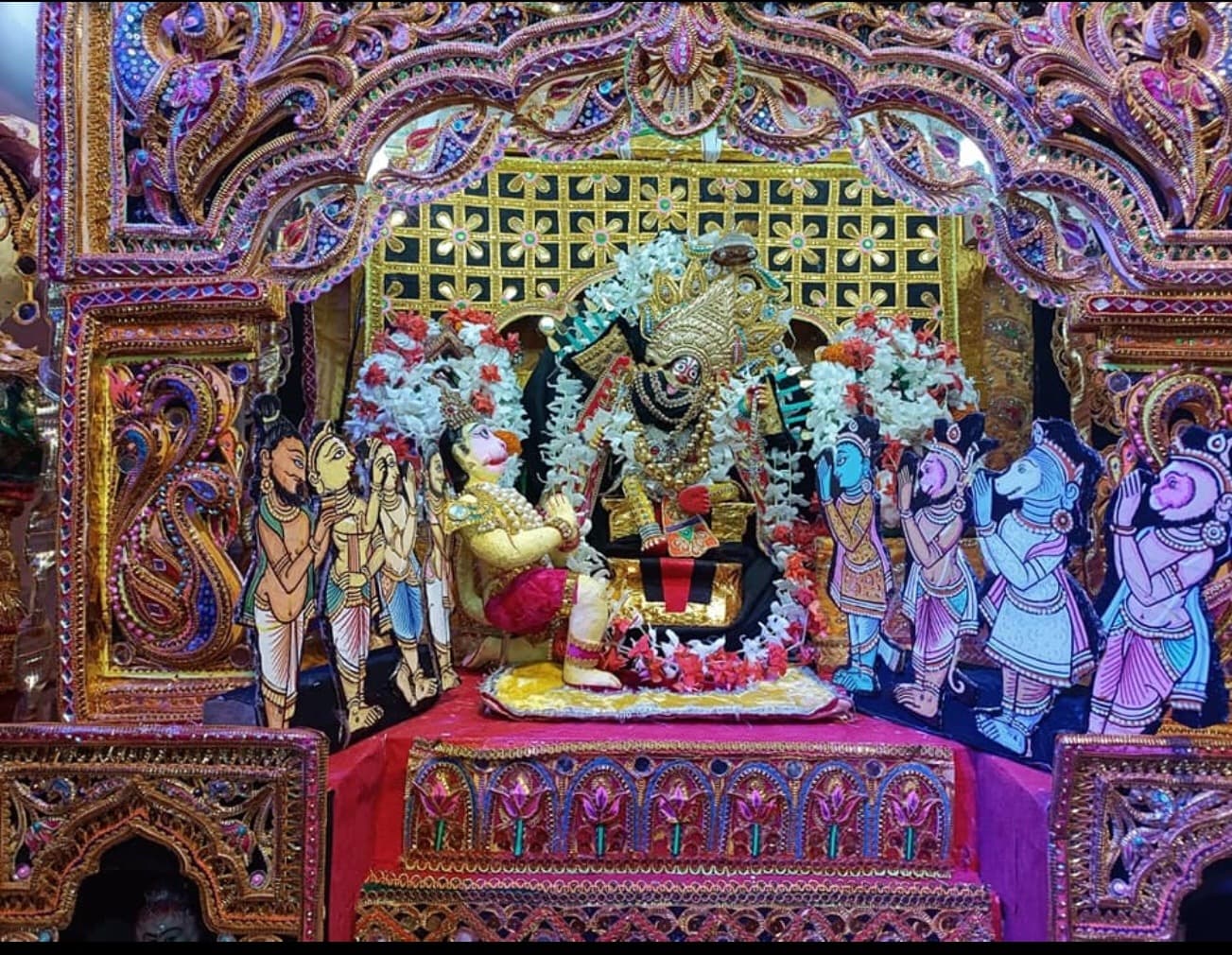
One of the first things visitors notice is that Lord Jagannath, Balabhadra, and Goddess Subhadra do not resemble traditional Hindu idols. Their large circular eyes, simplified facial features, and unfinished wooden forms have intrigued devotees and historians for centuries. According to temple tradition, the idols were intentionally left unfinished, giving rise to one of the most enduring history and mysteries of Jagannath Temple.
03The Deities are Made of Wood, Not Stone
Unlike most ancient temples where idols are carved from stone or metal, the deities here are carved from sacred neem wood. Even more fascinating is the Nabakalebara ritual, during which the wooden idols are ceremonially replaced with newly carved ones. This rare event takes place every 12 to 19 years, depending on the Hindu lunar calendar, making it one of the temple's most significant traditions.
04The Nilachakra is More Than Just a Symbol
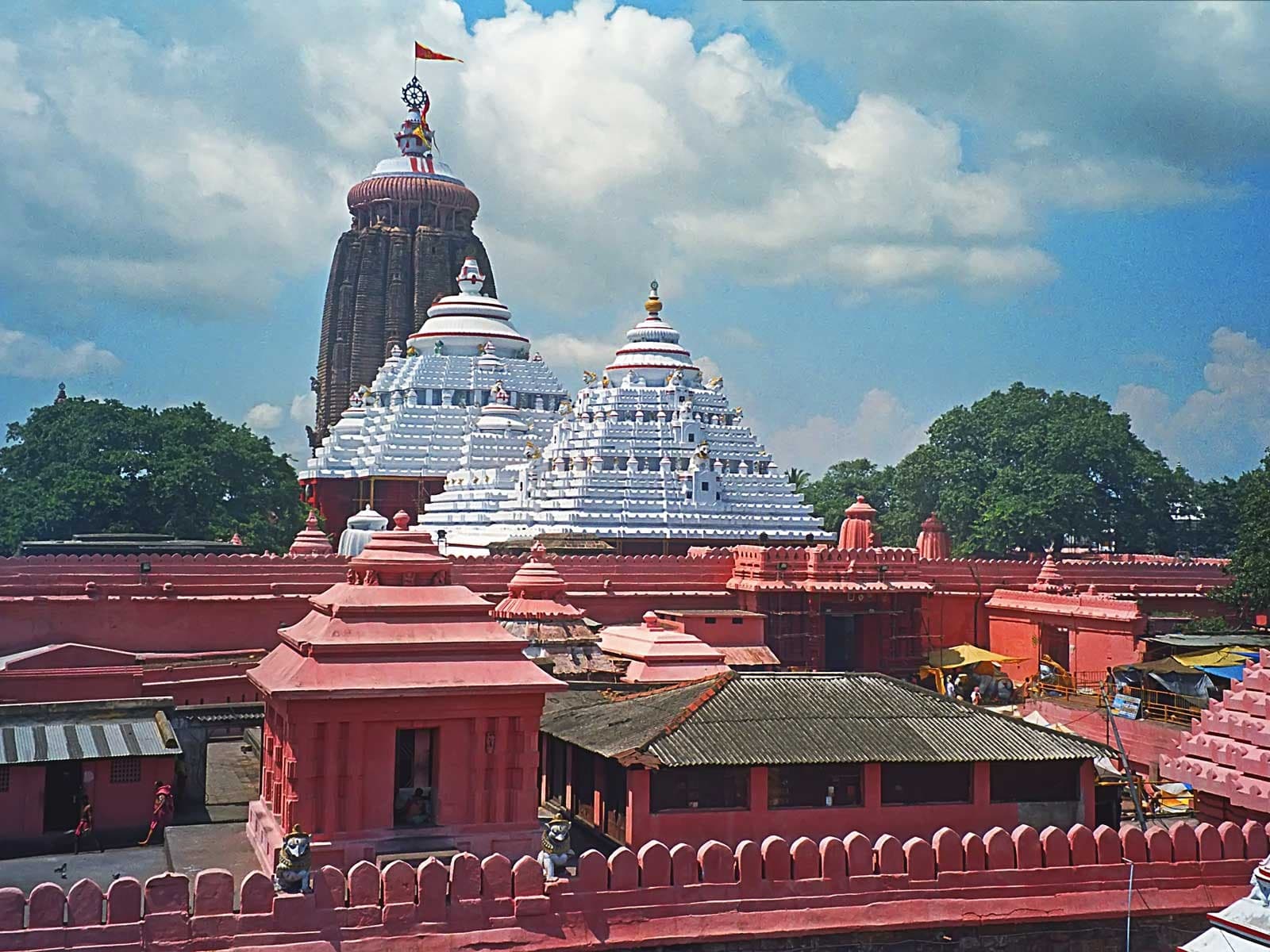
At the top of the temple stands the iconic Nilachakra (also spelled Neelachakra), an eight-spoked wheel crafted from an alloy of eight metals. A popular belief says that wherever you stand around the temple, the Nilachakra appears to face you. Whether viewed as an architectural illusion or a spiritual symbol, it remains one of the most talked-about hidden facts about Jagannath Temple Puri.
05The Temple Flag is Changed Every Single Day
Every day, a temple servitor climbs the towering temple structure—without modern safety equipment—to replace the Temple Flag known as Patita Pabana Bana. The ritual has continued for centuries. According to temple rituals, the tradition of changing the flag must never be interrupted, making it one of the temple's most respected daily ceremonies. It is believed that if the flag is not changed even for one day, the temple will have to remain closed for 18 years. Watching this ritual from Bada Danda, the grand avenue leading to the temple, is an unforgettable experience.
06The Temple Kitchen is Among the Largest in the World
Few places demonstrate community dining like the Jagannath Temple. The temple kitchen prepares Mahaprasad for thousands of devotees every day using hundreds of traditional clay pots stacked over wood-fired ovens. Despite the enormous number of visitors, the temple's food management system has amazed travellers for generations.
07Anand Bazaar is Unlike Any Other Marketplace
Inside the temple complex lies Anand Bazaar, where devotees can purchase Mahaprasad after it has been offered to Lord Jagannath. More than just food, Mahaprasad is regarded as a sacred offering that symbolizes equality and togetherness. One of the most beautiful traditions associated with it is that social distinctions fade away before Mahaprasad. Regardless of caste, status, or background, devotees partake in it as equals, reflecting Lord Jagannath's message of inclusivity and shared devotion. It is this spirit of unity that makes Anand Bazaar much more than a marketplace—it is a living expression of Jagannath culture.
08Every Ritual Follows a Timetable That Has Survived Centuries
From the first morning prayers to the final rituals at night, the temple follows an elaborate daily schedule that has remained largely unchanged for generations. These temple rituals are performed by different groups of hereditary servitors, each entrusted with specific responsibilities passed down through families. It's one of the many reasons devotees return again and again—every visit offers a chance to witness a different part of this living tradition.
09The Garuda Stambha Holds Special Significance
Before entering through the Singhadwara, many pilgrims pause at the Garuda Stambha, a beautifully carved pillar dedicated to Lord Vishnu's divine mount, Garuda. According to tradition, offering prayers here before proceeding for darshan is considered especially auspicious.
10Rath Yatra is More Than Just a Festival
The world-famous Rath Yatra is not simply a procession—it represents Lord Jagannath's annual journey to the Gundicha Temple. The festival includes several important rituals such as Chhera Pahanra, where the Gajapati King ceremonially sweeps the chariots, Bahuda Yatra, marking the return journey, Suna Besha, when the deities are adorned with gold ornaments, and Niladri Bije, which marks their return to the sanctum. Each ritual carries deep symbolic meaning and reflects centuries of living tradition.
11The Ratna Singhasana is the Heart of the Sanctum
Inside the sanctum, the deities are seated on the revered Ratna Singhasana. For devotees, this sacred throne is not merely an architectural feature—it represents the divine seat of Lord Jagannath and forms the spiritual centre of the temple.
12The Temple is Filled with Stories, Legends, and Living Traditions
Ask ten local devotees about the temple, and you will likely hear ten different stories. Some speak of miracles. Others share fascinating temple legends passed down through generations. If you are interested in faith, folklore, or history, these stories contribute to the enduring secrets of Jagannath Temple that continue to captivate visitors.
13Millions Visit Every Year for Different Reasons
Some arrive seeking blessings. Some come to fulfil family traditions. Others are fascinated by the architecture, the history, or the cultural significance. This unique blend of spirituality and heritage explains why millions visit Jagannath Temple every year, making it one of India's most important destinations for religious tourism.
14The Temple is the Centre of Jagannath Culture
The influence of Lord Jagannath extends well beyond the temple walls. Local music, dance, cuisine, festivals, handicrafts, and even everyday life in Puri reflect the deep-rooted traditions associated with Jagannath culture. To truly understand Puri, one must understand the temple's role in shaping the city's identity.
15Every Visit Reveals Something New
Perhaps the most fascinating fact is that no two visits to Jagannath Temple ever feel the same. Visit during Snana Purnima, Anavasara, Rath Yatra, Nabakalebara, or on an ordinary weekday, and you will witness different rituals, different crowds, and different experiences. That is what makes this ancient temple so timeless—it continues to offer something new to every visitor.
Planning Your Visit to Jagannath Temple
If you're visiting for the first time, try to arrive early in the morning to avoid long queues and experience the temple during its peaceful hours. Dress modestly, follow the temple guidelines, and set aside enough time to explore nearby landmarks such as Bada Danda, local markets, and Puri Beach.
While the temple is the centrepiece of the journey, taking time to experience Puri's food, culture, and heritage makes the trip far more rewarding.
Stay Close to the Temple for a More Relaxed Experience
Many travellers find that staying near the temple allows them to enjoy Puri at a comfortable pace. Instead of rushing through everything in a single day, you can attend an early morning darshan, spend time at Puri Beach, explore local markets, and return for evening rituals without worrying about long commutes.
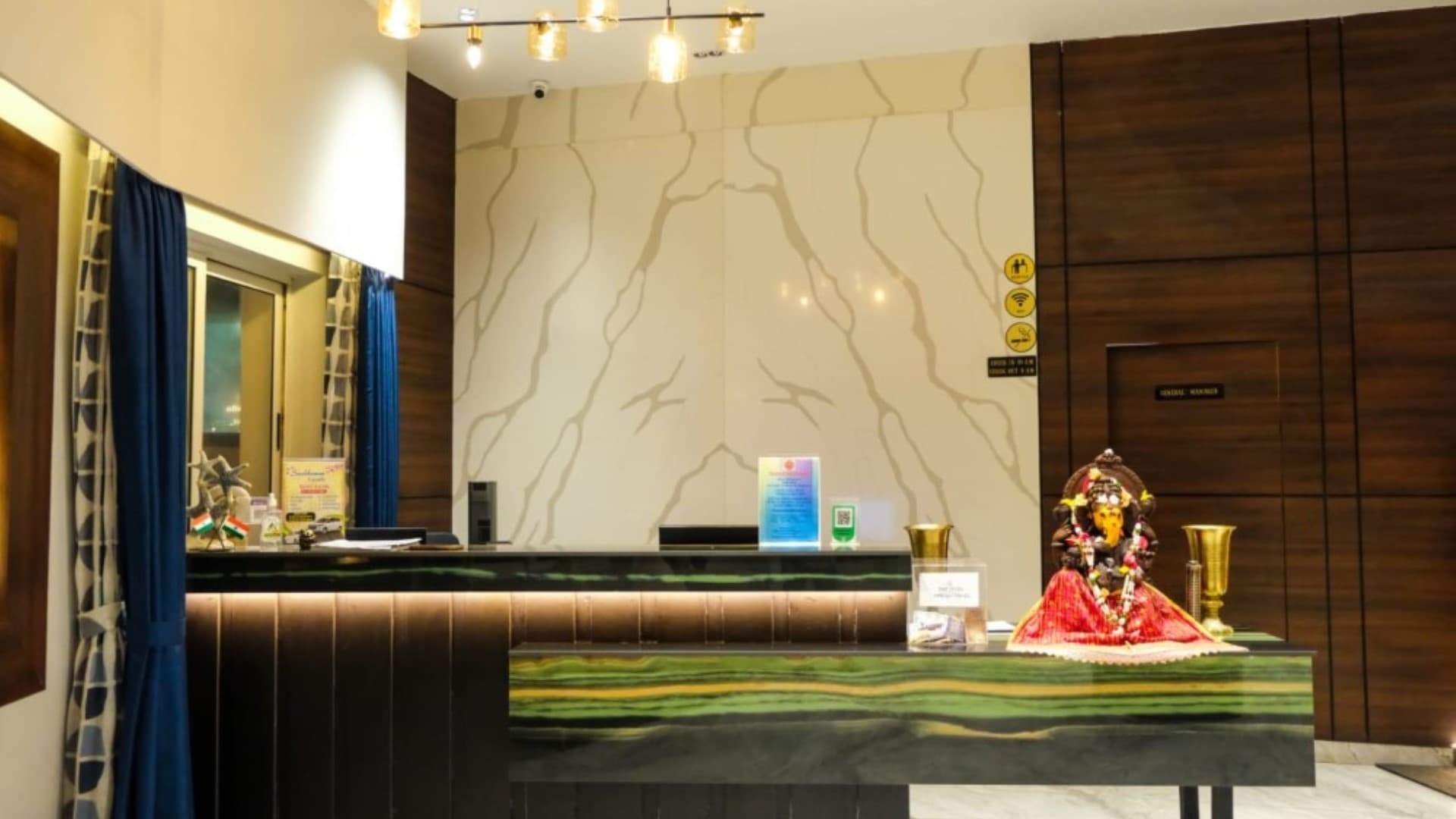
If you are looking for accommodation that offers convenient access to both the Jagannath Temple and the beach, Hotel Prabhupada Puri is a practical choice. Whether you are travelling with family, planning a spiritual retreat, or simply exploring Puri Heritage, staying nearby gives you the flexibility to experience the city beyond its landmarks.
Final Thoughts
The Jagannath Temple is much more than an ancient monument. It is a living centre of faith where rituals continue uninterrupted, traditions are preserved across generations, and every visit offers a deeper understanding of Odisha's spiritual heritage.
If you are planning your own spiritual journey to Puri, take your time. Beyond the architecture and the legends lies an experience that stays with you long after you have left the temple gates.